Energy Futures
Large-Scale Stakeholder Consultancy
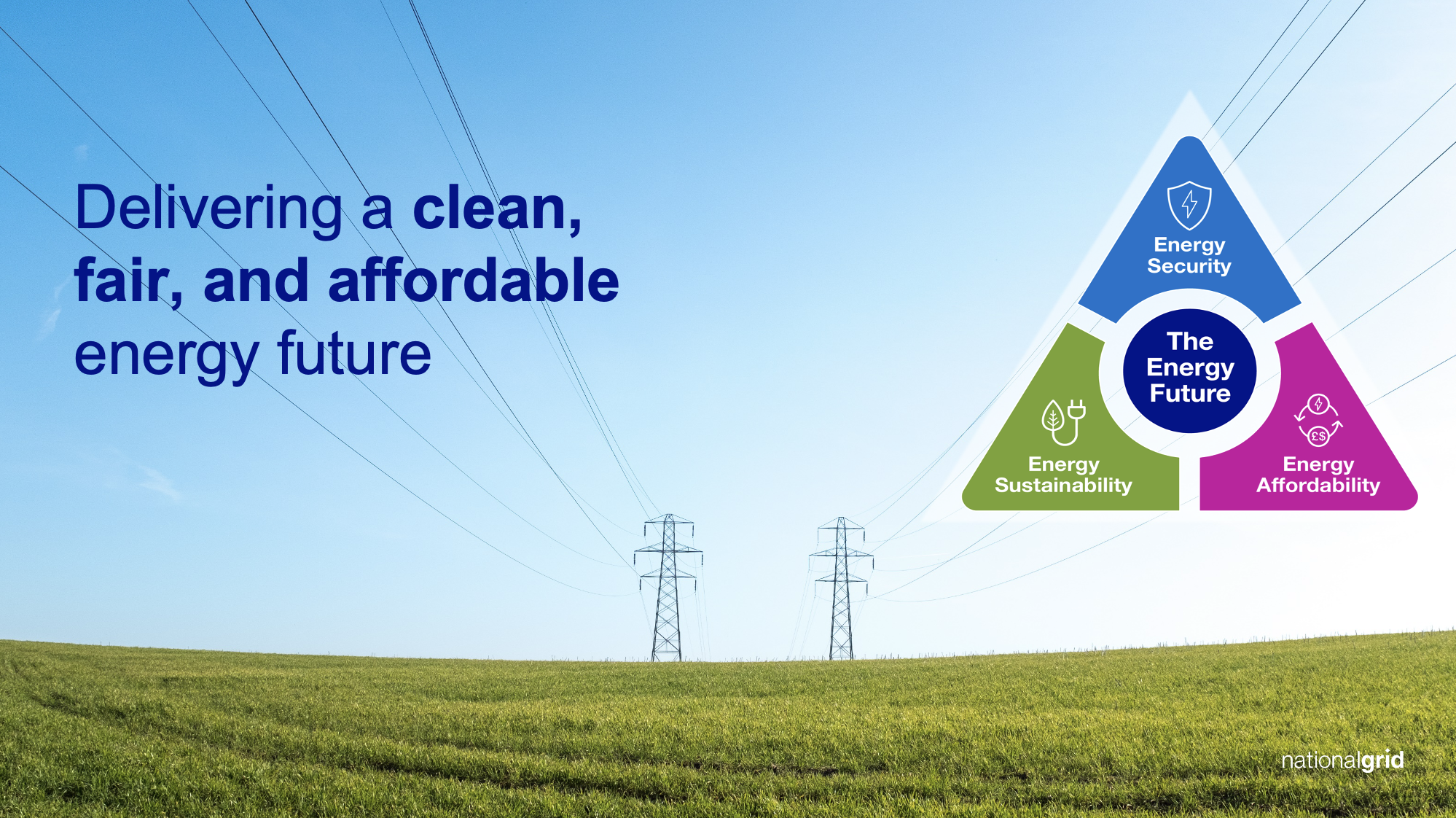
Achieving a decarbonised, local, net-zero future.
Energy transition is one of the most significant sociocultural and political shifts of the 21st century. This work required understanding not just the technical infrastructure but the human dimensions of change: equity, trust, and community.
By 2050, renewable energy sources are expected to account for more than 90% of the world’s energy,* with wind and solar PV making up nearly 70%. New routes to generation, supply, and demand using low-carbon technologies, along with advancing data systems, form a core part of this picture. To drive change, energy companies must work harder than ever before to engage with and partner with businesses, local communities, and customers.
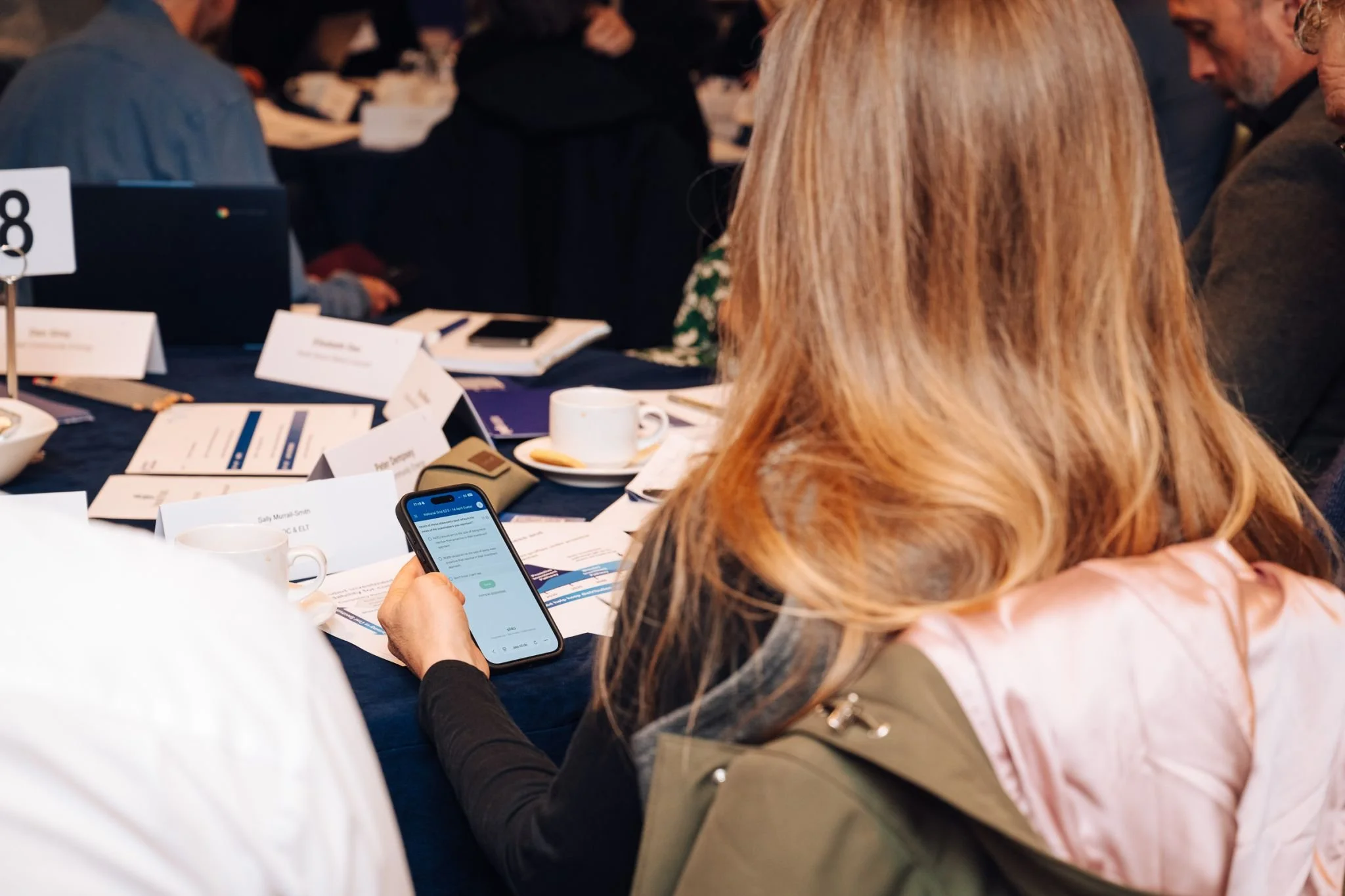
My role in this context has been to facilitate workshops that engage diverse stakeholders on behalf of significant energy companies (such as National Grid Group and Northern Powergrid). Working on behalf of the company EQ Communications across 2022-25, I have supported over 30 in-person and online workshops, with hundreds of stakeholders in attendance, engaging nearly 1,500 participants from across energy, government, and community sectors. Research outputs directly informed the long-term strategic planning cycle for some of the UK’s largest energy infrastructure organisations.
Major projects and workshops I have helped to facilitate have included:
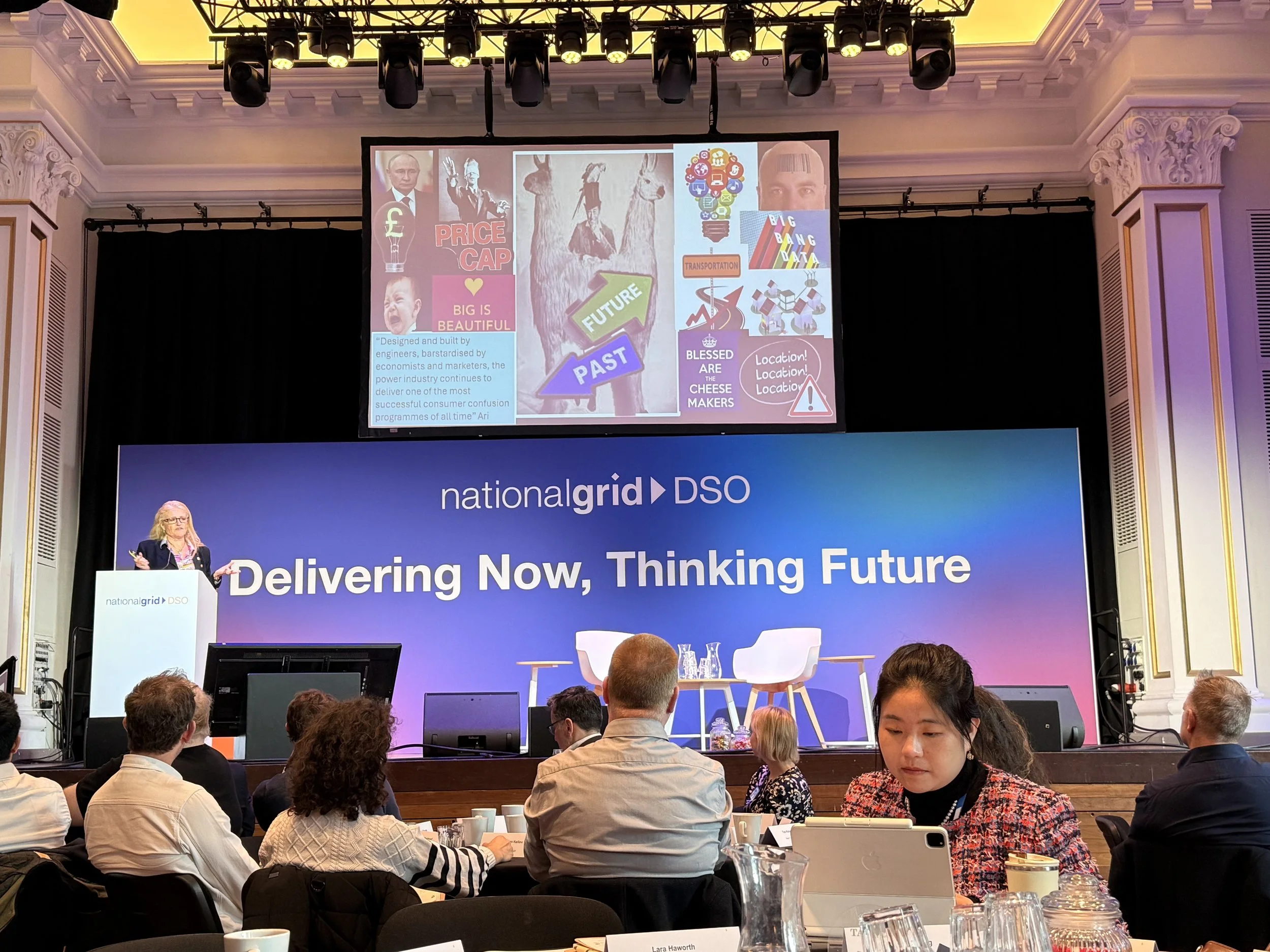
National Grid DSO - Switched-On! Electricity Futures Local Authority Workshop: Over a hundred stakeholders representing local councils and associated organisations gathered to understand challenges of accessing data and ways to enable local energy plans, including flexibility services and new market opportunities. A key finding was that customers needed clearer pathways to understand and access these emerging opportunities.
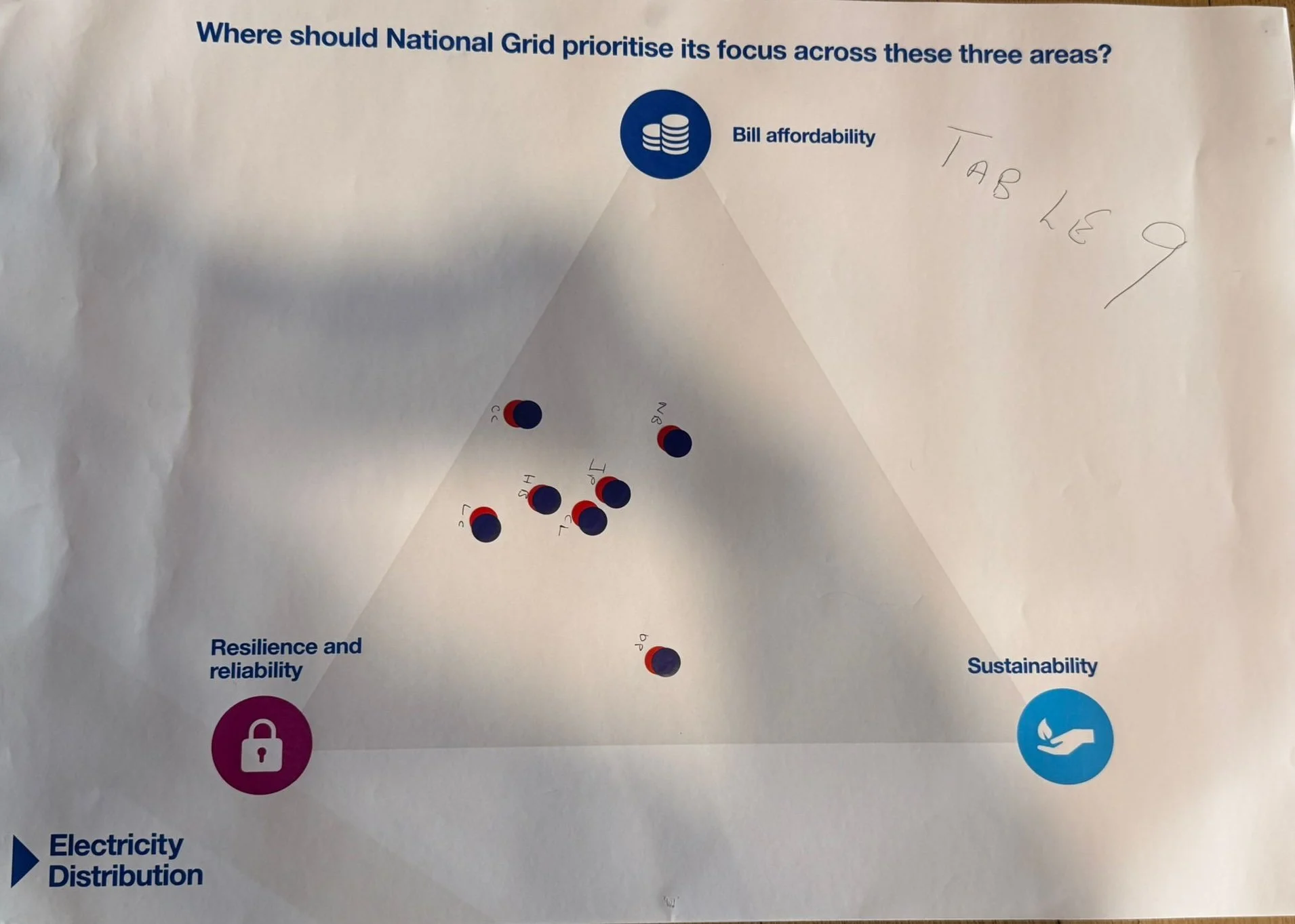
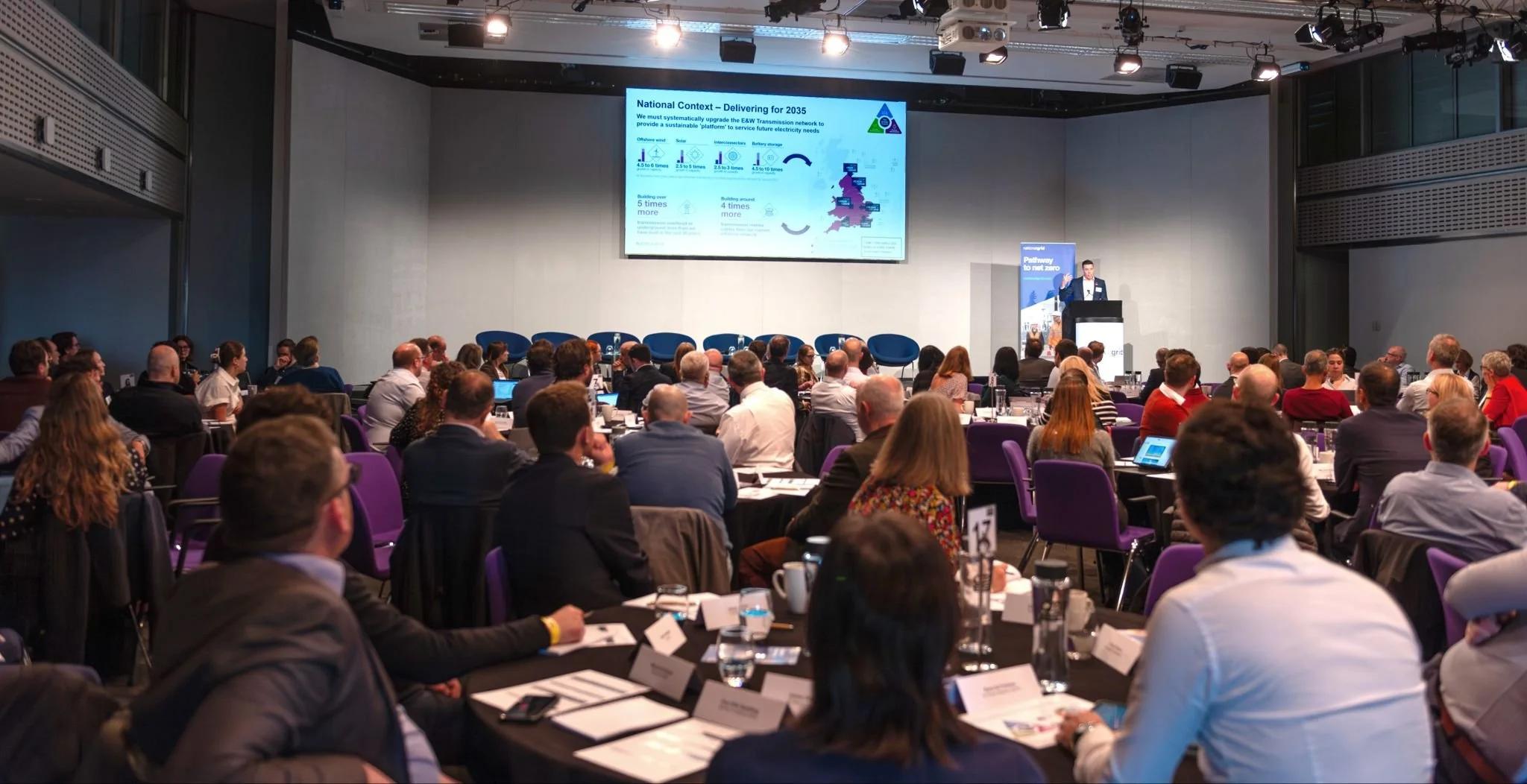
National Grid - Pathway to Net Zero Regional Workshops: A two-month series of workshops (September to October 2023) supporting National Grid’s DSO Electricity Futures programme with over 350 stakeholders exploring the impacts of The Great Grid Upgrade, connections strategy, prioritisation and planning and the Future Network Blueprints.
Regional Decarbonisation Workshops: A two-month engagement (March and April 2024) with Northern Powergrid with nearly 1,000 stakeholders from a range of backgrounds, focusing on collaborative planning to invest for net zero, understanding barriers to flexibility services and connections, local area energy planning, systems upgrades, large-scale data analytics, and achievement of a more flexible, accessible and resilient network. Communities are supportive of change, but they require early engagement in the process.
A Network for NetZero – Consenting Pathways: A workshop delivered to high-level stakeholders (January 2023) on behalf of Scottish & Southern Electricity Networks (SSEN) Transmission, collaborating with the Scottish Government and Scottish Power to accelerate consents for scheme development, applications and approvals pivotal to transmission upgrades.
Social Obligations: A workshop on behalf of National Grid (November 2022), exploring the challenges of supporting customers in immediate crisis through the Priority Services Register (PSR), meeting short and long-term needs, and achieving a Smart and fair energy transition for all. This surfaced a recurring tension: for customers in crisis, there is both a need for human connection and digital efficiency.
Strategic Insights for Meeting Changing Customers’ Needs
Beyond facilitation, I translated the complexity of diverse stakeholder perspectives into clear strategic intelligence. Working with verbatim notes and survey statistics, I helped identify patterns, tensions, and emerging needs that shaped clients’ long-term business agendas (2023-2028 and 2028-2033), as well as more localised, short-term needs.
Across these projects, several cross-cutting themes emerged that speak to something deeper than energy infrastructure:
Trust is vital to the transition. Communities engage more with plans when they feel their interests are being taken into account. Energy companies that lead with transparency and genuine co-design consistently generate more positive engagement and feedback than those presenting pre-formed solutions. Stakeholders consistently look to supply operators to be leaders who advocate for their needs.
Equity is vital to progress. The energy transition is not purely a technical problem to solve. This is a socio-cultural and educational challenge that requires deep engagement with the people who will receive the upgrades. What represents progress for one group may appear as disruption, unnecessary cost, and exclusion for another. There is a risk that people can be left behind.
As consumers increasingly become producers of energy through solar, batteries, and local generation, their relationship with energy companies fundamentally shifts. They are no longer passive recipients of a service. They are partners, investors, and advocates. As such, energy companies need to not only reimagine their infrastructure but also their entire model of customer engagement.
*Inventing Tomorrow’s Energy System: PwC, 2021.